
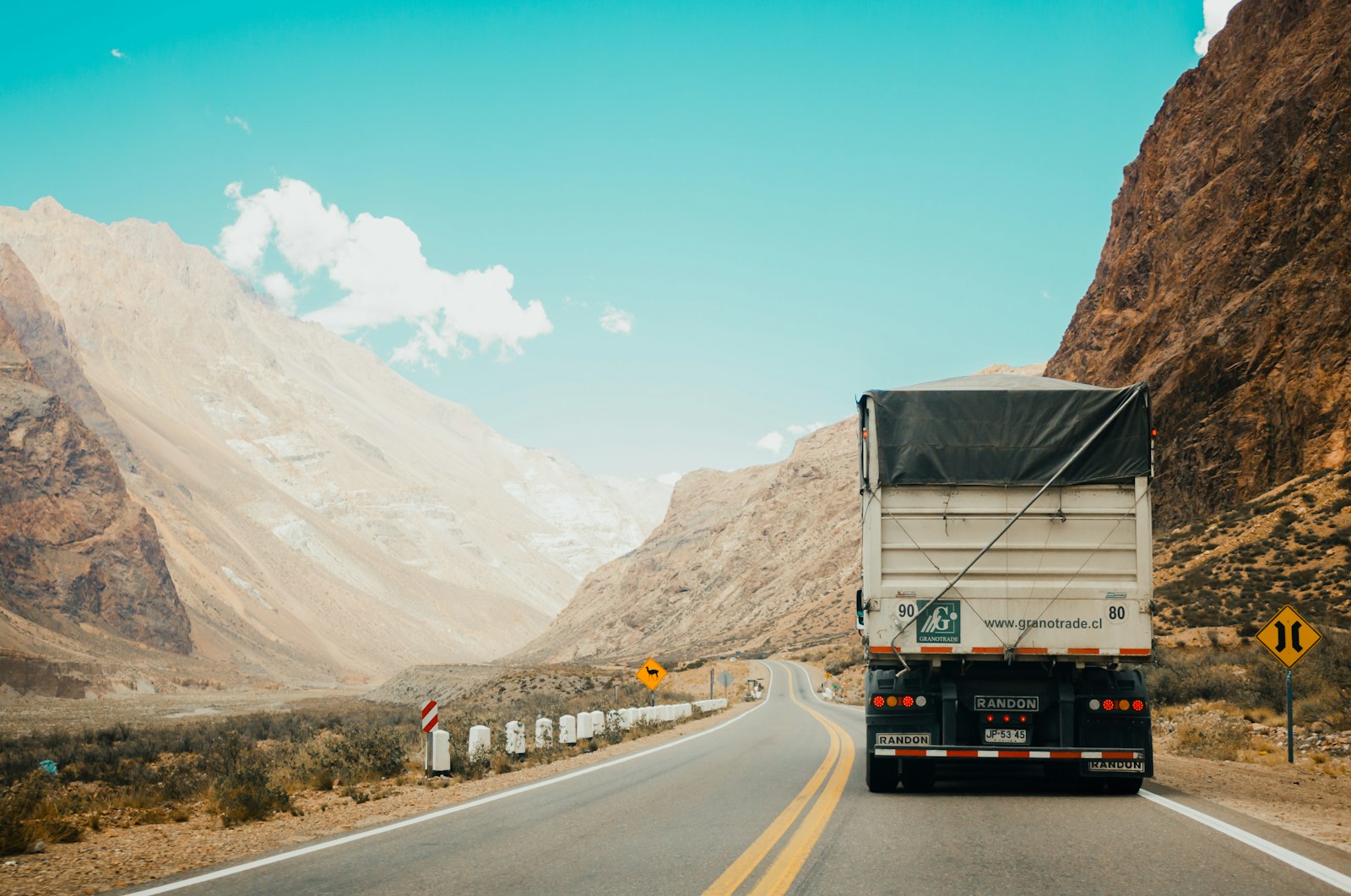
Vehicles are among the largest running costs a company carries and among the least examined. The fuel bill is paid, the workshop invoice is paid, the salary is paid, and almost nobody can say what a kilometre costs or which vehicles are quietly losing money. That is a measurement problem before it is a technology problem.
Start with fuel, because that is where the leak is
Fuel is usually the largest line and the easiest to lose. Reconciling fuel card transactions against odometer readings and route distance exposes the gap between litres paid for and litres a vehicle could physically have used. Most fleets that do this properly for the first time find something, and the finding pays for the system.
Maintenance by reading, not by calendar
Servicing by date means some vehicles are serviced too early and others too late; the ones serviced too late are where breakdowns and their recovery costs come from. Scheduling against odometer and engine hours, with parts and labour costed back to the vehicle, turns maintenance from an unpredictable expense into a planned one.
The documents that expire while nobody is looking
Registration, insurance, permits, driver licences and medical certificates. A vehicle stopped at a checkpoint over an expired document costs a day of work, a fine, and sometimes a client. This is the cheapest problem on the list to solve and the most common one to find unsolved.
Tracking is for costing, not for watching people
Location data earns its keep when it is used to allocate cost to the right job, verify a delivery, and understand why one route takes longer than it should. Introduced as surveillance it produces resentment and creative workarounds. Say plainly what is measured and why, and the data stays accurate.
Tie it back to the ERP or the numbers stay separate
A standalone fleet tool tells you about vehicles. A fleet module connected to finance tells you cost per kilometre, per project, per customer and per driver, which is the number that changes decisions: which contracts are worth renewing, which vehicles to replace, and whether owning beats renting on a given route.